Plumbing · Paddington, London
Hot Water Cylinder Repair in Paddington, London
A cold shower from a tank that should be hot is maddening, and the first question is always the same: mend it or bin it? [Honest Plumber Paddington](/) answers the line on 07727 401418 around the clock, sends the job to an independently owned local plumbing company that handles stored hot water, and tells you straight when a repair is money well spent and when it is money thrown after a tired cylinder.
Plenty of Paddington homes still rely on a cylinder: the airing cupboard in a Tyburnia flat, a loft or cupboard tank in a Maida Vale mansion block, a lower-ground flat on Sussex Gardens with a plant cupboard behind the kitchen. Faults are usually one of four things, namely a failed immersion heater, a stuck thermostat or motorised valve, a leak at a joint or the cylinder wall, or an unvented system whose safety kit has tripped.
Published figures show what is at stake. A like-for-like vented cylinder replacement in Westminster is listed at about £1,260 to £1,680, an unvented 210-litre G3 cylinder at £1,680 to £2,380, and a complex job with a pump at £2,380 to £3,920. A failed immersion or heater, by contrast, is listed at roughly £150 to £300, so the gap between repair and replacement is large enough to be worth a straight conversation.
Hard water makes it worse. Thames Water's London supply is hard, and its 2025 report for the City zone, the nearest published to W2, shows 266 mg/l of calcium carbonate. Scale bakes onto immersion elements, cuts their life and insulates the water from the heat, so a cylinder in a hard-water flat tends to fail in the same slow way.
You will always get the honest version. If the cylinder is leaking from the body, the answer is almost always replacement. If it is an element or a thermostat, the answer is usually a repair, quoted in writing before work begins by the partner firm that will do it.
The line is open · Open 24 Hours
Ring now07727 401418A person answers, not a machine. Or ask for a written quote
The Work
Cylinder Faults We Sort
Three kinds of problem account for most calls, and each has a different honest answer.
No Hot Water, Element or Thermostat
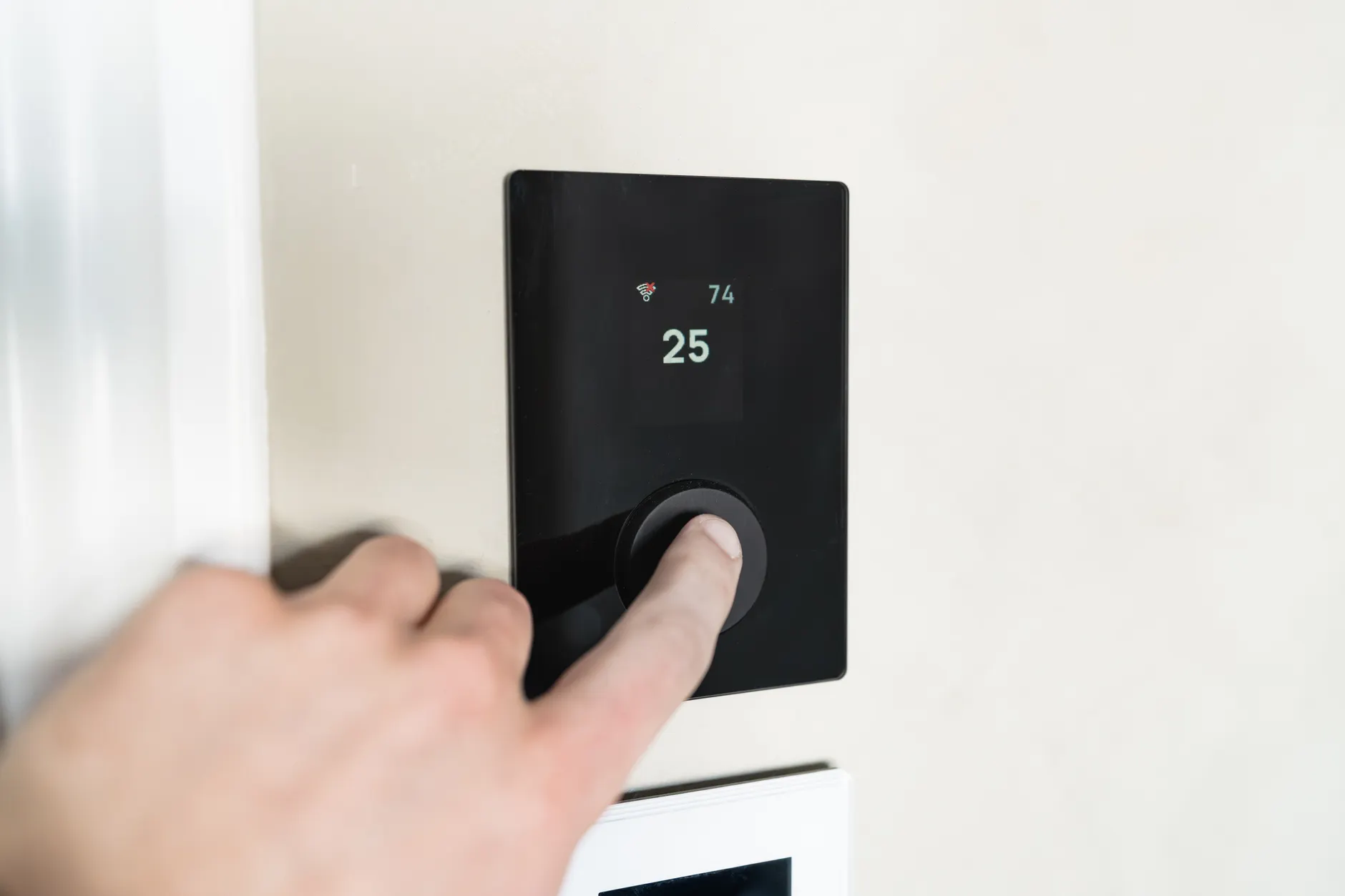
If the cylinder is cold, the usual culprits are a burnt-out immersion element, a thermostat that has failed or a motorised valve that is stuck shut. These are small parts on a sound tank, so repair is normally the right call, and the partner firm explains which part failed.
Leaks at Joints or the Tank Itself
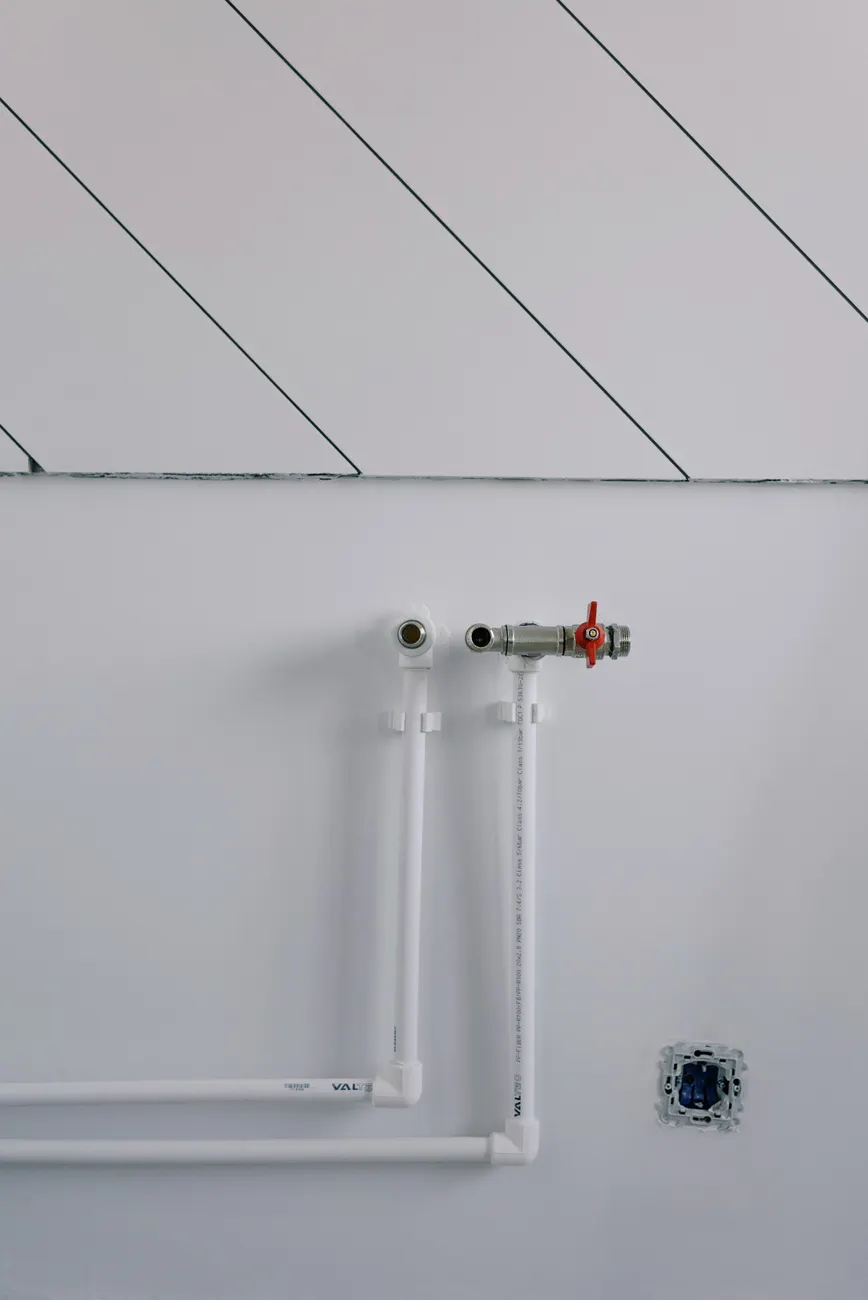
A weep at a union, valve or immersion boss can be re-made. Water seeping from the cylinder wall cannot be patched in any lasting way, and we say so plainly, because the damp it causes in an airing cupboard costs more than the delay.

Unvented Cylinders and Tripped Safety Kit
Unvented cylinders are mains-fed and sealed, with expansion vessels, valves and a discharge route that Building Regulations Part G3 lays down. Dripping from the tundish or a pressure that keeps surging points to a part that needs attention, not a job for guesswork.
What You Get
Repair or Replace, Said Plainly
A fair decision needs three things on the table before any money moves.
What Failed and Why
The partner firm identifies the part, tells you how it failed and whether limescale or age was the cause. If the answer is scale, you will hear what stops it happening again, not just a new element.
Both Prices in Writing
Where a repair is possible but a replacement might be wiser, you get both figures in writing and the reasoning. The tank is yours to decide on, and a pushy sales pitch from a call-out is not part of the arrangement.
A Name Before the Knock
We text you the company's name before anyone arrives. They quote, do the work, invoice and take payment themselves, and if something is wrong afterwards you ring us and we chase it.
Worth Knowing
Cylinder Warning Signs
A cylinder rarely fails without a hint.
Signs It Needs Attention
Any one of these is worth a call.
- Water that takes far longer to heat, or never gets properly hot
- A rumbling or knocking sound from the cylinder or pipework
- Damp or staining on the cupboard floor or ceiling below
- Dripping from a discharge pipe or tundish
- Hot water that runs out far sooner than it used to
Before You Ring
A short check makes the call faster.
- Switch off the immersion and note which switch controls it
- Find the stopcock and the cylinder's isolating valve
- Note the cylinder make, size and whether it is vented or unvented
- Mop and protect the floor if there is any seepage
- Tell us if the cupboard backs onto a neighbour's flat
Why Ring Us
Cylinders in W2, W9 and W1 Buildings
Where the cylinder lives decides how the job is done.
Tyburnia Flats and Shared Risers
Regency stucco in Tyburnia has been split into flats, so a cylinder often sits in a tight cupboard fed by a shared riser. Isolating the supply can affect neighbours, which is why the partner firm confirms access and any isolation point first.
Mansion Block Plant and Header Tanks
Maida Vale's blocks, many first completed from 1897, mix individual cylinders with header-tank and pumped supplies. Altering shared pipework normally needs the managing agent's consent, and we build that step into the booking.
Mews and Georgian Marylebone
Marylebone's mews houses and Georgian terraces bring lead and early copper pipework, basements and narrow service routes. Moving a new cylinder in through a stair or a tight hall is as much a planning job as a plumbing one.
A cylinder fault often turns up alongside other problems, so if water is already escaping see emergency plumbing or leak detection & repair, and for a boiler feeding the cylinder read about boiler servicing. The full list is on the services page.
How Stored Hot Water Works in a Paddington Flat
Stored hot water means the heat is made first and kept in an insulated tank, so you draw on a reserve rather than heating on demand like a combi does. In a flat that reserve usually lives in an airing cupboard, a lower-ground plant cupboard or a loft space above a mansion-block top floor.
A vented cylinder takes its water from a small tank in the loft, which keeps the pressure gentle. An unvented cylinder is fed directly from the mains, so the pressure is stronger and the system needs safety devices and a discharge pipe, which Building Regulations Part G3 covers.
What Affects the Price of a Cylinder Job
Repair Versus Replacement
An immersion or heater fix is published at about £150 to £300. A replacement runs into four figures on the Westminster price page quoted above, mostly because of the cylinder, the pipework alterations and the labour to remove the old one. The partner firm gives you the figure in writing.
Access and Building Rules
A cylinder in a top-floor Maida Vale flat or a basement under Sussex Gardens is not a simple delivery. Westminster's controlled parking affects where a van can stand, and the managing agent may need notice. Tell us about stairs, lifts and neighbours when you call, and the job is planned around them.
Honest About Old Tanks
If a cylinder is past helping, we say so, and give the replacement figure beside the repair figure. The choice stays yours.
Questions, Answered Plainly
How much does it cost to replace a hot water cylinder in Westminster?
A Westminster price page for 2026 lists a like-for-like vented cylinder at roughly £1,260 to £1,680, an unvented 210-litre G3 cylinder at £1,680 to £2,380, and a complex job with a pump at £2,380 to £3,920. Those are published ranges, not our quotes. The partner company confirms the price in writing before any work.
My cylinder has no hot water. Is it the element or the whole tank?
If the tank is dry on the outside and the water is simply cold, it is often a failed immersion element, a thermostat or a motorised valve. Published London ranges put an immersion or water heater fix at about £150 to £300. If the cylinder is leaking from the body, replacement is the realistic answer.
What is an unvented cylinder, and does it need special care?
An unvented cylinder is a sealed, mains-fed tank that gives strong hot-water pressure without a loft tank. It relies on safety devices and a discharge route, and Building Regulations Part G3 sets the requirements. That is why the work follows the manufacturer's instructions closely and why repairs to these systems are not guesswork. Because the system is sealed, a fault that would be a nuisance on a vented tank can matter more here, so the firm explains what it finds before touching anything.
Why does my immersion heater keep burning out?
Hard water is the usual cause. Thames Water's 2025 report for the City zone, the nearest published to W2, gives 266 mg/l of calcium carbonate, and that scale bakes onto elements and shortens their life. Fitting a replacement element helps, but the partner firm will also tell you if the tank itself is heavily furred.
Is it worth repairing an old cylinder?
It depends on what failed. A new element or thermostat on a sound tank is usually good value. If the tank is leaking, badly furred or struggling, a repair buys little. The partner firm quotes both options in writing so you can compare, and we would sooner you spend once than repeat the call-out. If the cylinder is badly furred or has been weeping, the firm will tell you plainly that a repair buys time and not much else.
Can you swap a vented cylinder for an unvented one in my flat?
Sometimes, but flats bring extra questions about space, the discharge route and who controls the shared pipework. Published ranges show unvented cylinders costing more than vented ones. A managing agent's consent may be needed, and the partner firm will check feasibility before quoting rather than promising it over the phone. Ask the managing agent early, since a new cylinder in a leasehold flat may need consent for the pipework and discharge route, and that can take longer than the work itself.
Why is there water coming from the pipe outside my cylinder cupboard?
A discharge pipe is there to carry away water if pressure or temperature rises, so dripping from it means something is off. It may be a failed valve, an expansion vessel that has lost charge or a system running too high. Switch off the heating of the cylinder and ring us so the partner firm can look at it.
Do you work on communal hot-water systems in mansion blocks?
Communal plant belongs to the building and is dealt with through the managing agent, so we do not touch it. What we do handle is the cylinder or heater inside your own flat. If you are not sure which you have, tell us when you ring and we will ask the right questions. If your flat has a cylinder fed from communal heating, the firm works on your side of the connection only, and tells you where its work stops and the building begins.
How long will I be without hot water?
A repair to an element or thermostat is often done in a single visit. A full replacement usually takes a day or more, depending on access, drainage and whether parts are on the van. We cannot promise an arrival time, but the partner firm tells you how long it expects the job to take when it quotes.
Do I need to tell my landlord or managing agent?
If you rent, tell your landlord first, because the cylinder is probably theirs. If you own a leasehold flat, the cylinder in your property is normally yours, but anything touching shared risers needs the managing agent. We can supply the partner firm's written quote to support the conversation. Keep a copy of the written quote and any photographs, because they make the conversation with a landlord or agent quick and factual rather than a matter of opinion.
What can I do to make a cylinder last longer?
Keep the thermostat set sensibly, have the system checked if hot water drops off, and ask about scale protection if your supply is hard. Check the cupboard for damp now and again. A small drip caught early costs a lot less than a flooded airing cupboard and a ceiling repair below. A cylinder jacket in good condition and a tidy airing cupboard also help, because you can spot a drip early and keep insulation dry and in place.
What happens if the work is not right?
Ring us. The partner firm did the work and the invoice is theirs, but we are the number that stays on the job, so we chase it with them and keep you informed. Telling us quickly helps, with photographs of any leak or fault, since that speeds up the decision on what is needed. Keep the partner firm's invoice and your texts, since they show exactly who attended and what was agreed, which speeds up any follow-up.